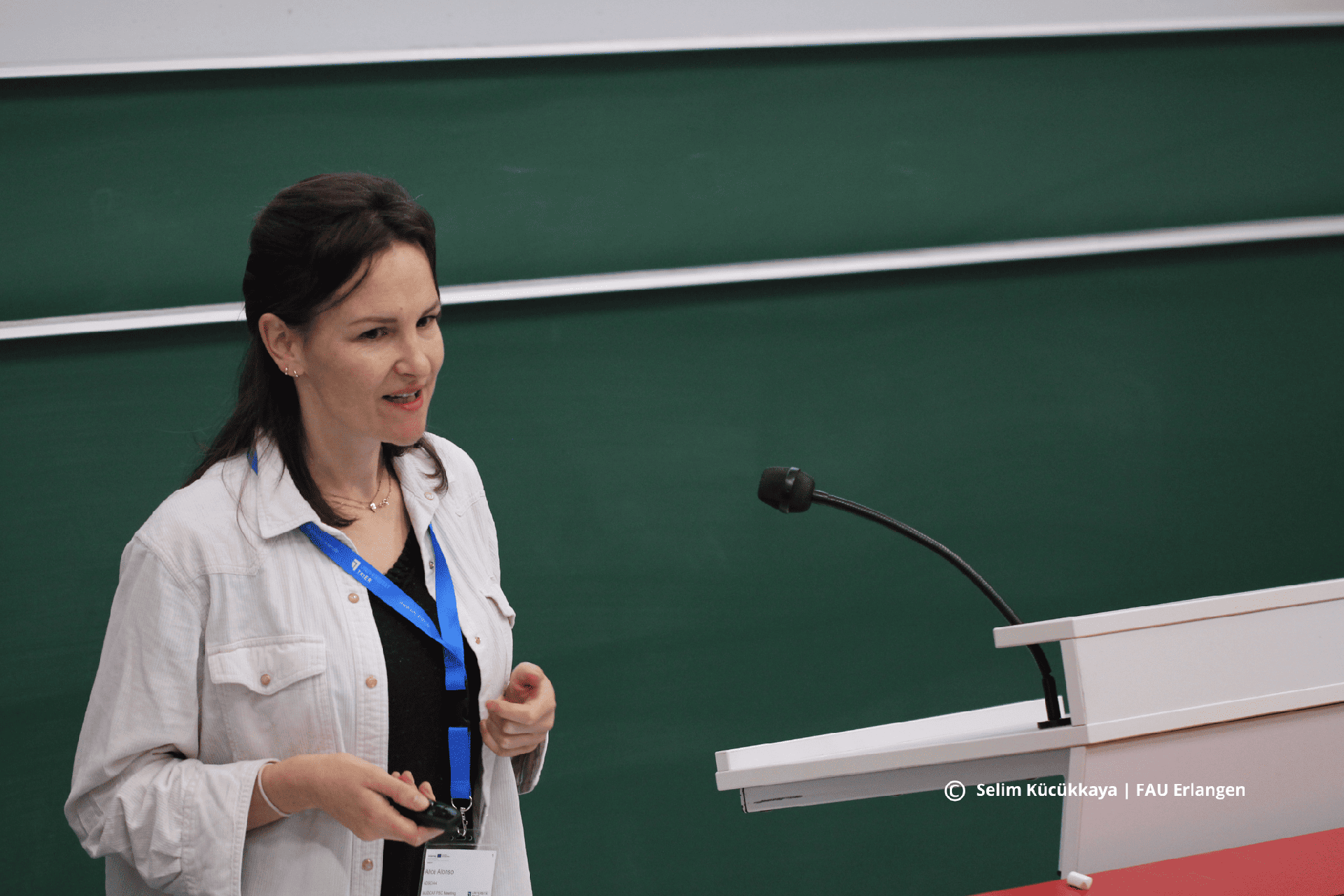
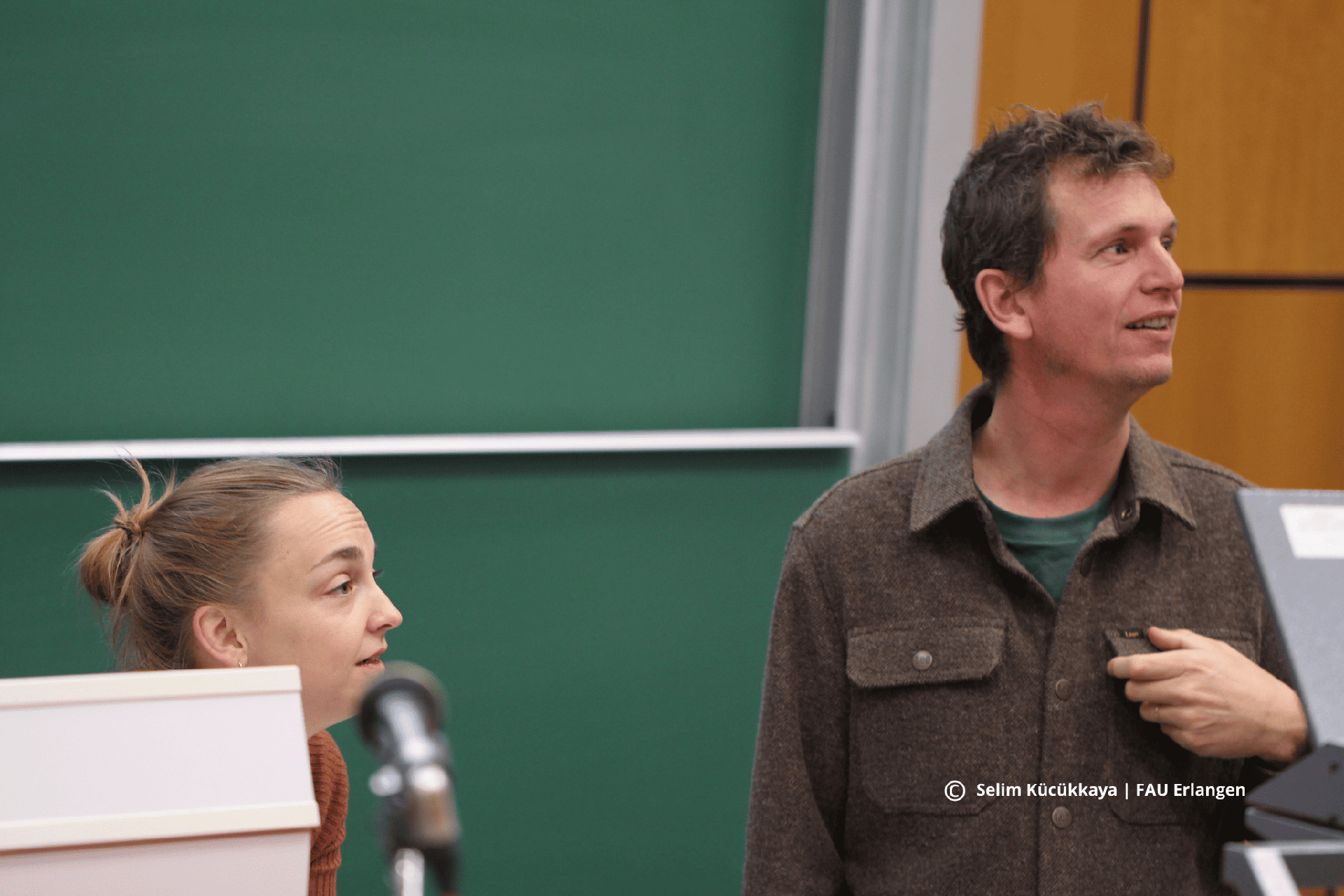
On 15 and 16 October 2026, the MUDCAP consortium gathered at Trier University, Germany, for two days of field visits, technical workshops and project discussions. Four months after the previous in-person meeting in Ghent, Belgium, partners came together to review progress, exchange knowledge across the four pilot regions and prepare the next steps towards more effective pluvial muddy flood prevention in North-West Europe.
Understanding muddy flood risks in the German pilot area
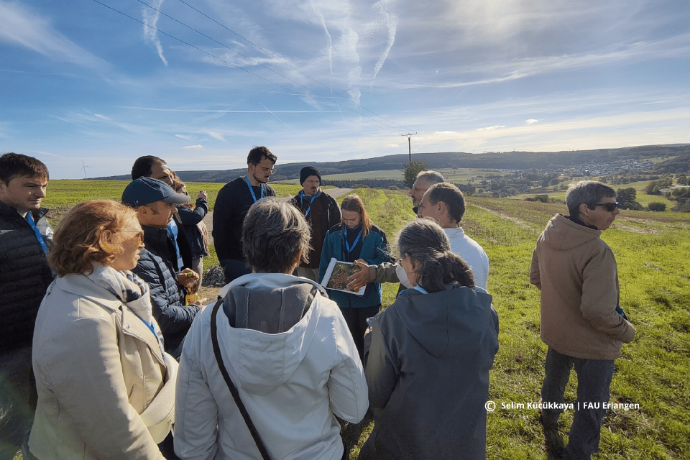
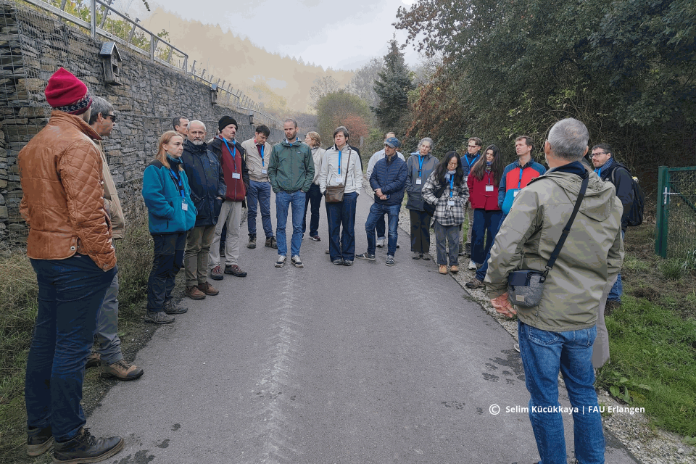
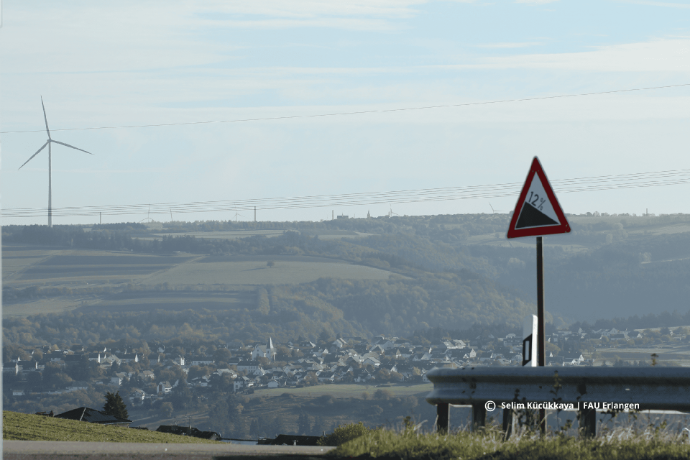
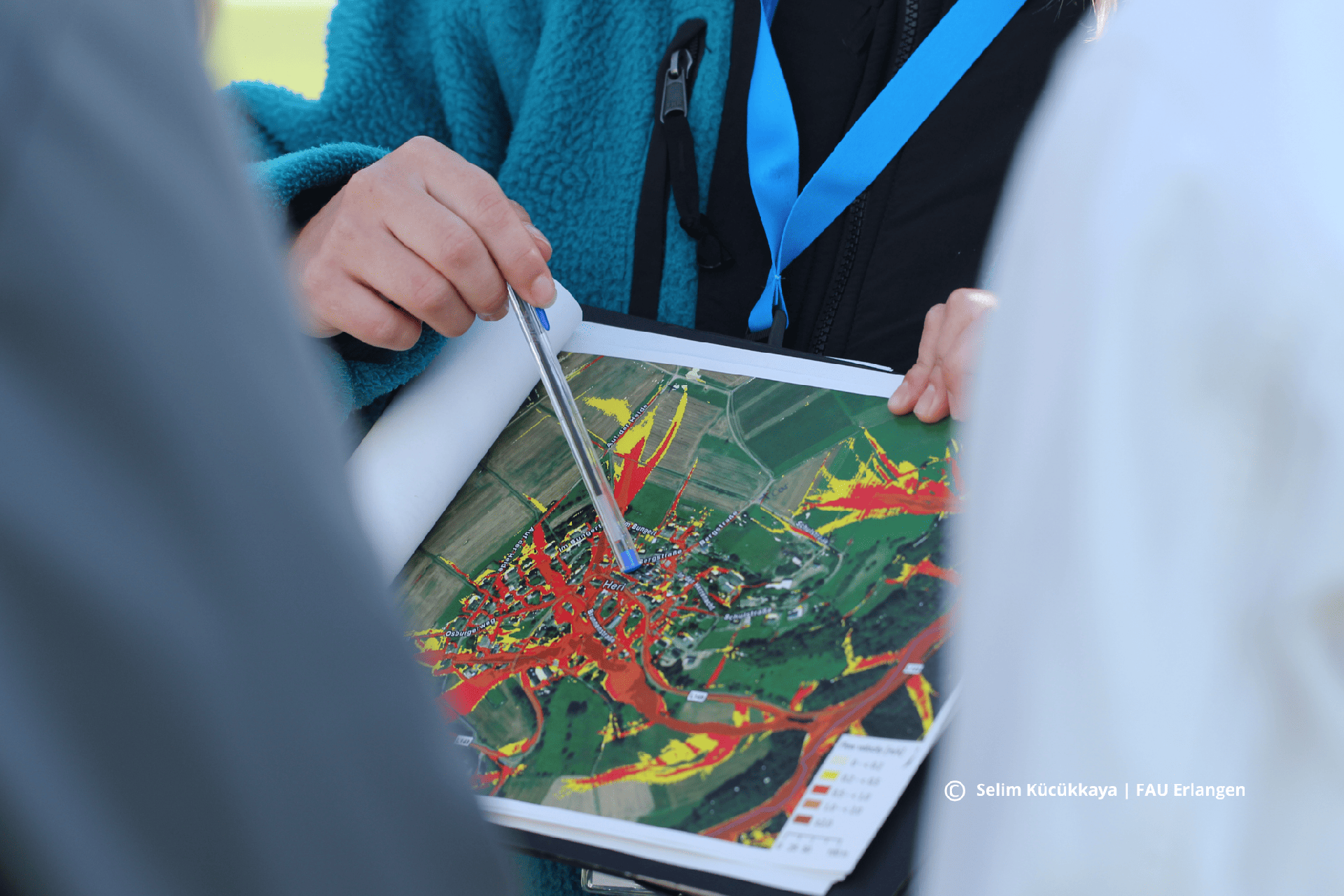
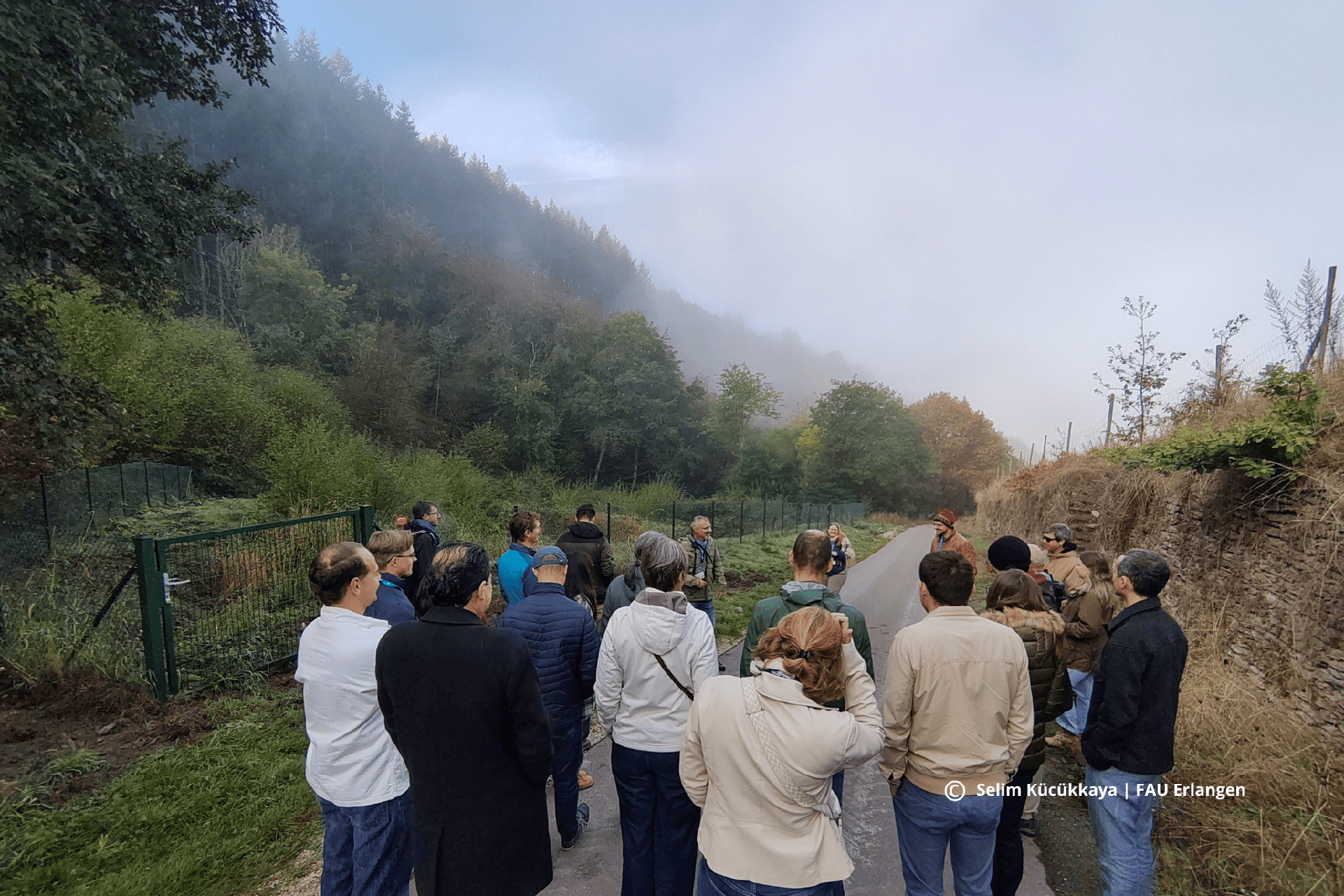
The meeting began on Thursday morning with a field visit organised by Trier University to three pilot catchments in the Trier-Saarburg region: the Labacher Graben catchment, between Gutweiler and Korlingen; the Kundelbach catchment, which flows through Kasel; and the catchment around Herl.
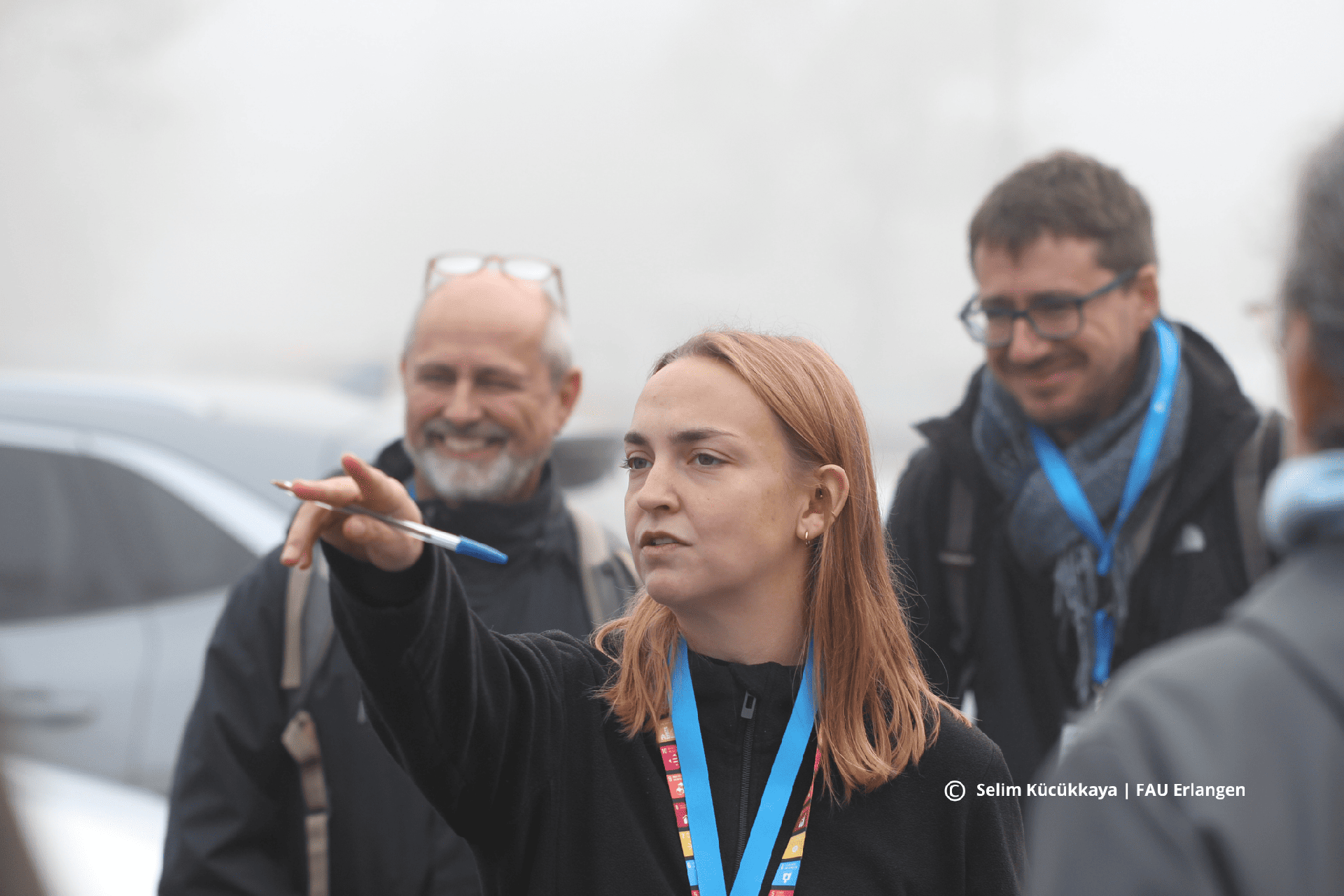
Local stakeholders presented the specific characteristics of the area, sharing their knowledge of the territory and highlighting the particularities of each catchment. These field observations gave partners an opportunity to observe local conditions and discuss how runoff and sediment move through the landscape to identify where prevention and mitigation measures could be most effective.
By examining real-world conditions together, partners can compare experiences across regions and better understand how local characteristics influence pluvial muddy flood risks.
Testing new tools and sharing pilot site experiences
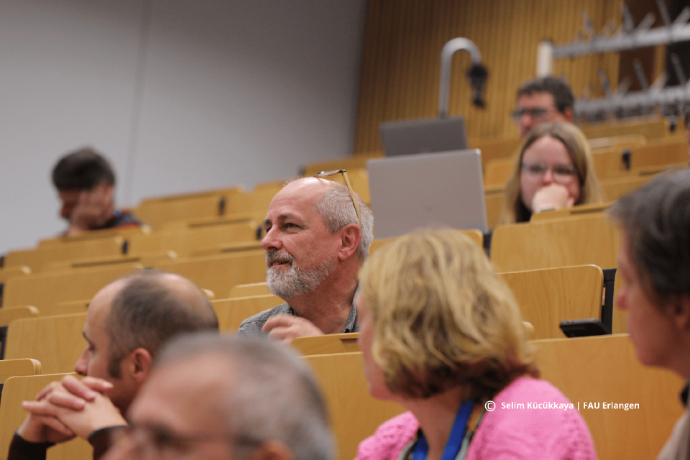
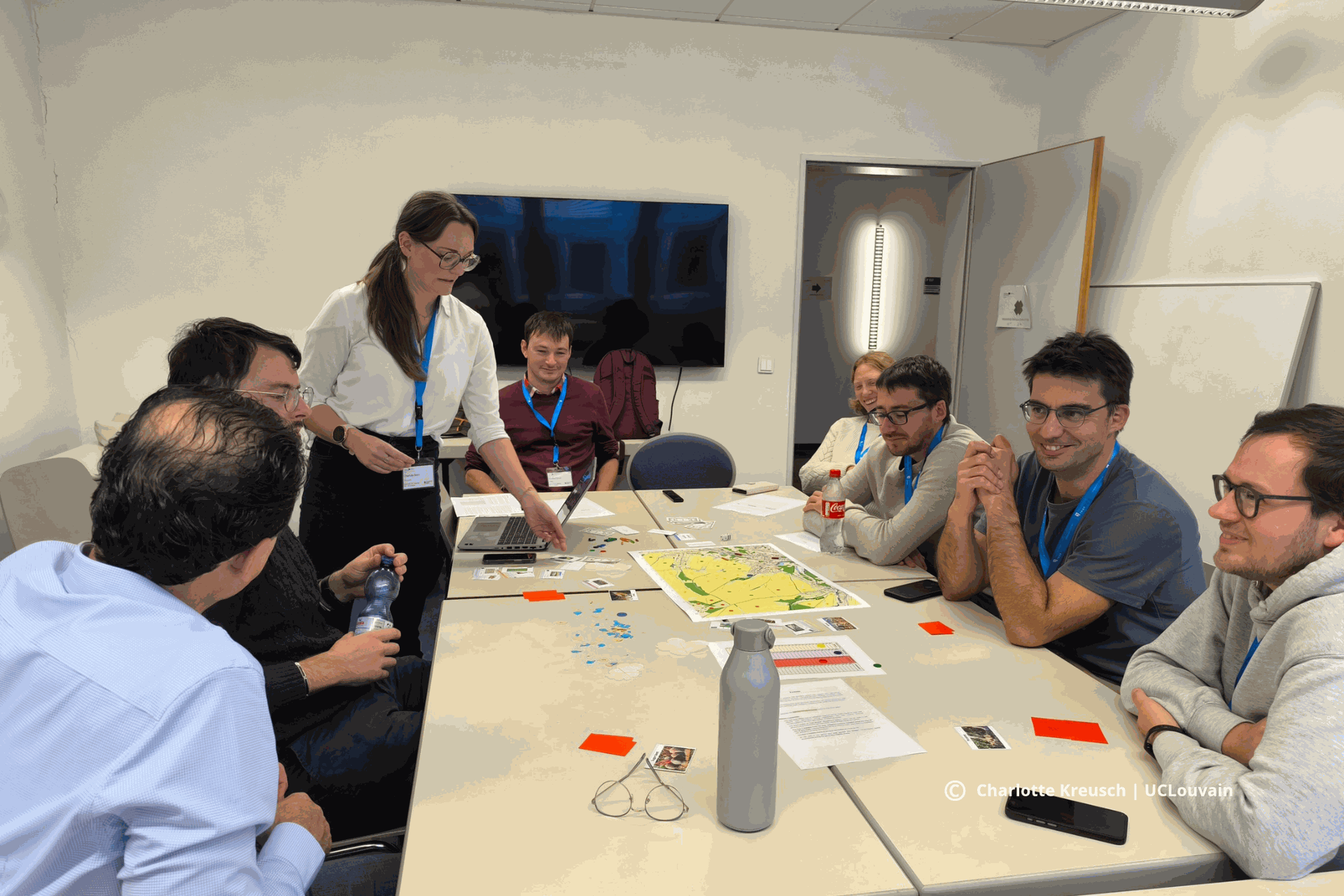
On Thursday afternoon, two parallel workshops focused on the project's second work package, dedicated to pilot actions and participatory approaches.
One group tested the MUDCAP serious game, a tool being developed to support co-design sessions with local stakeholders. The game aims to help participants understand muddy flood risks, discuss mitigation measures and consider the practical challenges involved in implementing solutions.
The second group shared updates on the four pilot regions, presenting fieldwork carried out so far and discussing the progress made in each territory. These exchanges helped partners compare their approaches, share practical insights and identify common challenges.
The workshops highlighted the importance of combining technical knowledge with local experience when developing solutions that can work in practice.
Advancing muddy flood data collection and risk assessment
Friday morning was dedicated to Work Package 1, which focuses on improving the assessment of pluvial muddy flood risks and supporting decision-making by regional and local authorities.
Partners presented and discussed the data collected across the four pilot regions. This work contributes to the development of harmonised methods for collecting and mapping muddy flood data, characterising past events and assessing future risks.
The consortium is also working towards a common typology of muddy flood mitigation measures, including the parameters needed to represent these measures in modelling tools.
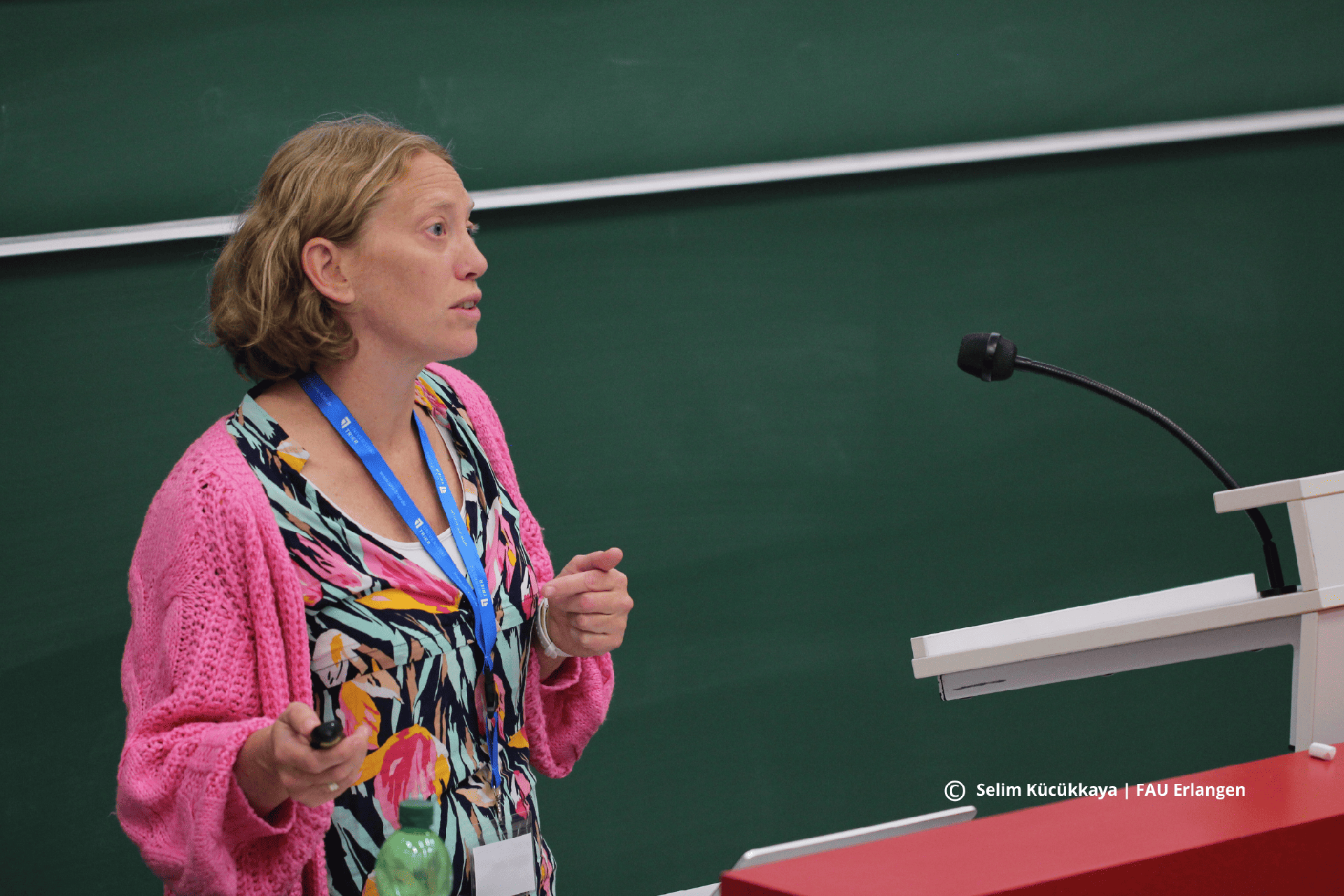
The session also included a presentation of the Intell'eau project by Pierre Baert from Gembloux Agro-Bio Tech. The mapping and decision-support tool that they are developping in this project aims to help farmers and agricultural advisers assess soil and water conservation measures at field and small catchment scales, optimise agricultural land management and reduce erosive runoff and surface water contamination.
Turning knowledge into practical action
The meeting concluded on Friday afternoon with a consortium-wide discussion on project governance, coordination and upcoming activities.
Throughout the two days, the discussions reinforced a central principle of MUDCAP: effective muddy flood prevention requires both a sound understanding of runoff and erosion processes and close cooperation between researchers, public authorities and local stakeholders.
Looking ahead to the next MUDCAP meeting
A big thank you to Trier University for hosting the consortium and for the excellent organisation of this in-person meeting. Thanks also to all partners for their contributions, constructive discussions and continued commitment to the project.
The next in-person consortium meeting will take place in Louvain-la-Neuve, Belgium, during Period 3, providing another opportunity to review progress and coordinate the next stages of MUDCAP.
Want to keep up with our work on pluvial muddy flood prevention, pilot activities and project results?
👉 Follow MUDCAP on LinkedIn and Facebook for regular updates about the project.